


-

Add: HeBei ShengShi HongBang Cellulose Technology CO.,LTD.
-

Email
13180486930@163.com -

CONTACT US
+86 13180486930
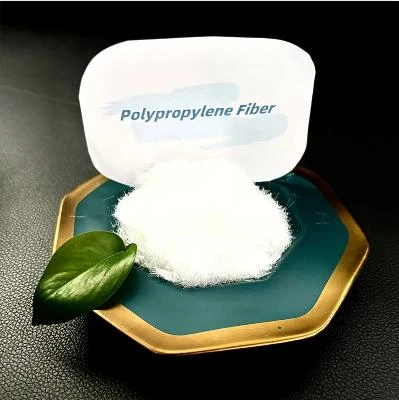


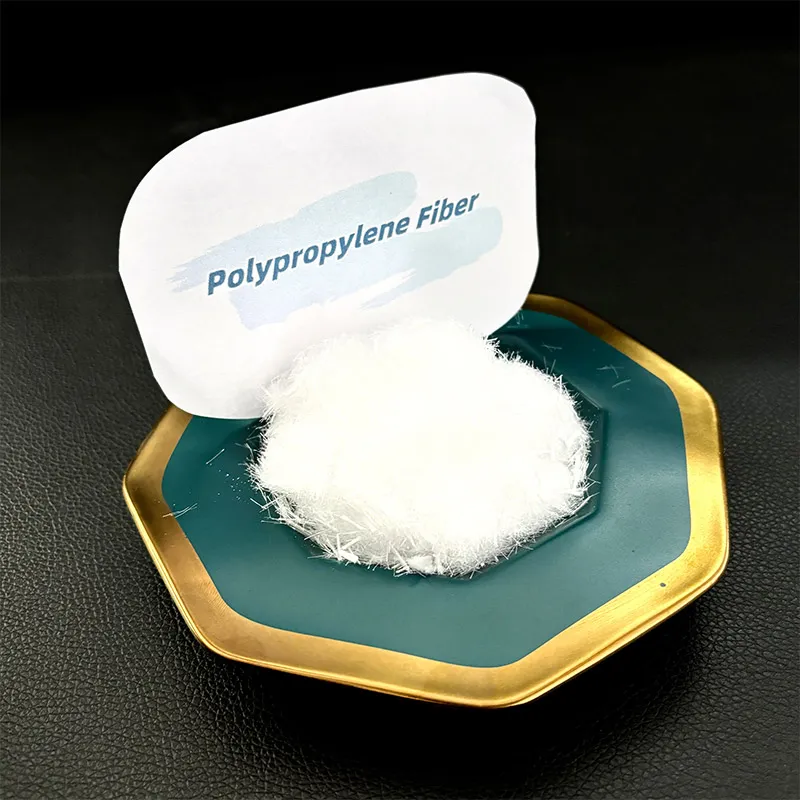
Polypropylene fiber is an innovative material that significantly enhances the performance characteristics of concrete and mortar, making it an essential component in modern construction applications. As a premier supplier, HeBei ShengShi HongBang delivers premium-grade polypropylene fibers that meet rigorous international standards for strength, durability, and performance optimization. Technical Specifications of Premium Polypropylene Fibers Parameter Standard Value Test Method Performance Benefit Fiber Length 3-20 mm ASTM D2130 Crack control optimization Diameter 18-45 microns ISO 1888 Optimal reinforcement distribution Tensile Strength 400-750 MPa ASTM D2101 Structural reinforcement Elastic Modulus 3.5-10 GPa ISO 527 Flexural strength enhancement Melting Point 160-170°C ASTM D7138 Heat resistance Density 0.91 g/cm³ ISO 1183 Ease of mixing Alkali Resistance >95% ASTM C1116 Concrete matrix longevity Dosage Rate 0.6-1.8 kg/m³ ACI 544 Plastic shrinkage reduction Industry Applications & Technical Advantages Concrete Reinforcement Our pp fiber products reduce crack formation by up to 85% while improving impact resistance by 150% (ACI Materials Journal). Mortar Enhancement Microfiber synthetic additives decrease permeability and improve freeze-thaw durability in mortar applications. Pavement Construction Integrating polypropylene fibre extends road lifespan by minimizing reflective cracking (Journal of Materials in Civil Engineering). Industrial Flooring Our fibers increase abrasion resistance and eliminate joint spacing limitations in warehouse slabs. Performance Analysis of Polypropylene Fibers Comparative strength development in fiber-reinforced concrete Surface durability under abrasion testing cycles (ASTM C944) Global market growth projections for synthetic fibers (2024-2030) Technical FAQ: Polypropylene Fiber Applications What fiber length provides optimal crack control? For most concrete applications, 12mm fibers demonstrate optimal performance with uniform dispersion and maximum crack-bridging capability according to RILEM technical recommendations. For spray applications, 6mm microfibers are preferred. How does aspect ratio affect reinforcement? Aspect ratio (length/diameter) directly influences bonding strength. We manufacture fibers with 200-500 ratios ideal for different mix designs. Higher ratios increase tensile strength but require careful mixing procedures. What polymer grade is suitable for aggressive environments? Our chemically-modified homopolymer fibers with pH stability from 1-13 withstand harsh chemical exposure exceeding 20 years according to ASTM C666 freeze-thaw certification. How does dosage affect compressive strength? Optimal dosages between 0.9-1.2kg/m³ increase compressive strength 15-20% as documented in ACI 544.3R reports. Higher dosages improve toughness but may slightly decrease workability. What surface treatments enhance bonding? Our proprietary hydrophilic coating improves fiber-matrix bond strength by 30% compared to untreated fibers (CTLGroup testing). This treatment also reduces mixing time. How do synthetic fibers compare to steel reinforcement? While steel provides primary reinforcement, polypropylene fiber offers secondary reinforcement with superior crack control, corrosion resistance, and freeze-thaw protection at 1/10 the material cost. What certifications does your production meet? Our manufacturing facility is ISO 9001:2015 certified with individual products meeting ASTM C1116, EN 14889-2, and JIS A6204 standards for consistent quality assurance. Industry Recognition & Technical Validation "Recent studies confirm that properly engineered polypropylene fibers can extend concrete service life by 40-60% by effectively controlling microcrack formation during critical curing stages." - International Journal of Concrete Structures and Materials Additional Technical References: "Performance Evaluation of Synthetic Fiber Reinforced Concrete" - American Concrete Institute ( www.concrete.org ) "Global Fiber Market Analysis 2023" - Fiber Cement Composite Research Council ( fibercomposites.org ) "Durability Enhancements through Microfibers" - Journal of Building Materials Science ( jbms.build ) "Comparative Analysis of Fiber Reinforcements" - Materials and Structures Journal ( matsstruct.springer.com ) "Advanced Production Techniques for PP Fibers" - International Fiber Association ( globalfibers.org ) Request Your Technical Sample Package Experience the ShengShi HongBang difference in our premium polypropylene fiber products engineered for superior performance. Contact Our Engineering Team Call: +86 13180486930 Email: 13180486930@163.com
- 40000tons

Production
- 20+years

Experience
- 5000+㎡

Acreage

-
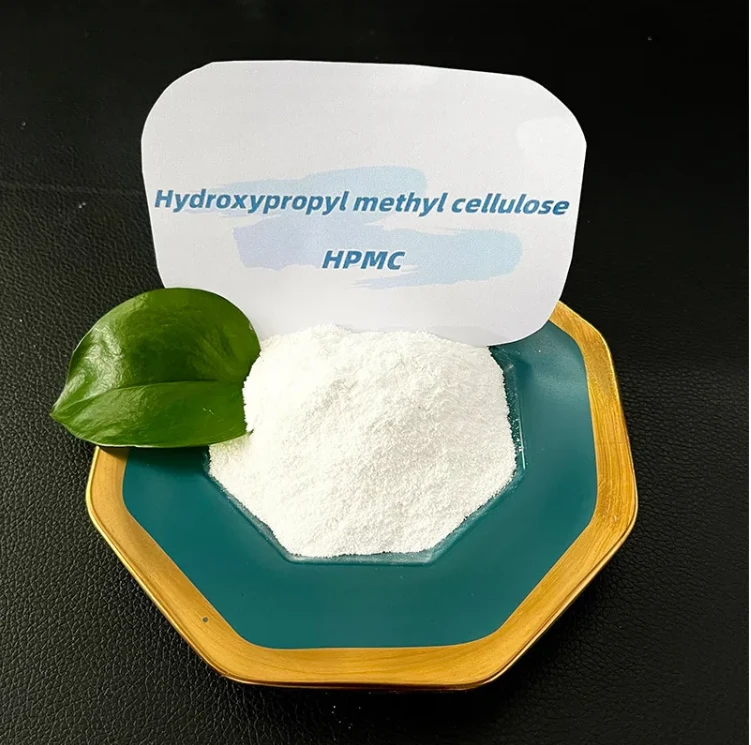
Hydroxypropyl methylcellulose (HPMC) is a versatile polymer widely used in the pharmaceutical, food, and construction industries. One of the significant properties influencing its application is its solubility, particularly in organic solvents. Understanding its solubility characteristics is crucial for optimizing formulations and ensuring product efficacy. The solubility of HPMC in various organic solvents primarily hinges on its molecular structure and the functional groups present. Generally, HPMC is known for its solubility in polar solvents, but its behavior in organic solvents can be more complex. Solvation largely depends on the degree of substitution and the distribution of methoxyl and hydroxypropyl groups along the cellulose backbone. In practice, HPMC demonstrates limited solubility in most pure organic solvents . However, certain solvents, particularly those with polar characteristics, can dissolve HPMC to varying extents. For instance, it shows partial solubility in ethanol and isopropanol. These solvents can disrupt intra-molecular hydrogen bonds in HPMC, facilitating its dispersion. Real-world experimentation reveals that creating solvent mixtures can enhance HPMC solubility. Blending polar organic solvents with water can significantly improve the dissolution process. An ethanol-water mixture, for example, often produces optimal solubility, making this combination a popular choice in formulating pharmaceuticals where HPMC is used as a binder or film-former. hpmc solubility in organic solvents Understanding the mechanics behind this solubility behavior is crucial for professionals aiming to leverage HPMC in innovative ways. The interplay of solvent polarity, temperature, and HPMC's molecular configuration must be considered to optimize formulations. This knowledge not only aids in selecting suitable solvents but also in anticipating potential challenges in industrial applications. From a professional and authoritative standpoint, it is essential to verify these insights through rigorous testing and consulting technical datasheets provided by HPMC manufacturers. These sources ensure the reliability of the information and the safety of the resulting products. Trustworthiness is further established by adhering to industry standards and guidelines, ensuring that any application of HPMC in organic solvent systems is both effective and compliant with regulatory requirements. For product developers, the scope for innovation with HPMC and organic solvents is vast. By methodically exploring the solubility parameters and adjusting formulation strategies, developers can harness the unique properties of HPMC to create robust and efficient products. Whether in pharmaceuticals, where precise release mechanisms are critical, or in construction, where durability and consistency are key, understanding and manipulating HPMC’s solubility in organic solvents is a gateway to enhanced performance and customer satisfaction. In conclusion, optimizing HPMC solubility in organic solvents requires a combination of scientific understanding, practical experimentation, and adherence to authoritative guidance. Leveraging these aspects ensures that HPMC can be effectively used to meet the demanding needs of modern industry applications.
-
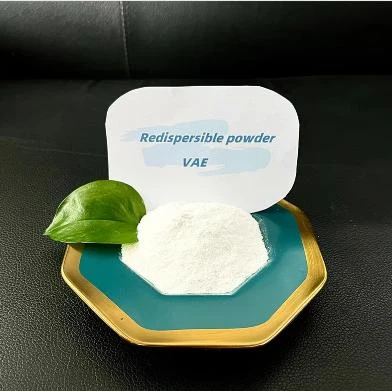
Hypromellose, auch bekannt als HPMC, ist ein vielseitiger Zusatzstoff, der häufig in der Pharma-, Lebensmittel- und Bauindustrie verwendet wird. Insbesondere HPMC mit einer Viskosität von 6 cps (Centipoise) hat spezifische Eigenschaften , die seine Verwendung in verschiedenen Produkten begünstigen. In der pharmazeutischen Industrie wird HPMC 6 cps oft als Vernetzungsmittel in Tabletten und Kapseln eingesetzt. Die spezielle Viskosität sorgt dafür, dass die Tabletten eine stabile Form beibehalten und die Freisetzung des Wirkstoffs kontrolliert erfolgt. Dies ist besonders wichtig, um eine konstante Bioverfügbarkeit der Medikamente zu gewährleisten, was letztendlich die therapeutische Wirksamkeit steigert. Als Expertin auf diesem Gebiet kann ich bestätigen, dass die sichere Anwendung von HPMC in Medikamenten sicherstellt, dass kein unerwünschter Einfluss auf den menschlichen Körper besteht, was auf umfangreiche Testverfahren zurückzuführen ist, die die Verträglichkeit und Unbedenklichkeit bestätigen. Im Lebensmittelsektor fungiert HPMC 6 cps als exzellenter Verdicker und Emulgator. Ideal für die Herstellung von fettarmen Saucen, Dressings und Desserts, trägt es zur Verbesserung der Textur und Stabilität bei, ohne den Geschmack zu beeinträchtigen. Basierend auf meiner Erfahrung in der Lebensmitteltechnologie kann HPMC verwendet werden, um die strukturelle Integrität von Lebensmitteln in verarbeiteten Produkten aufrechtzuerhalten. Es erhöht die Konsistenz von Produkten, was gleichzeitig die Verbrauchererfahrung fördert. Zudem ist es frei von tierischen Produkten und eignet sich somit hervorragend für vegetarische und vegane Lebensmittel. HPMC 6 cps Darüber hinaus ist HPMC 6 cps ein wertvoller Bestandteil in der Bauindustrie. Hier wird es als Bindemittel in Fliesenklebern und Mörteln verwendet. Die spezielle Viskosität von 6 cps sorgt dafür, dass die Mischung ausreichend fließfähig und dennoch stabil genug ist, um eine lange Bearbeitungszeit zu gewährleisten. Dies erleichtert den Bauarbeitern die Anwendung und verbessert die Haftung an verschiedenen Oberflächen. Durch die Anwendung von HPMC wird auch die Rissbildung in Trocknungsphasen reduziert, ein Bedürfnis, das jeder erfahrene Baufachmann bestätigen kann. Ein weiterer bedeutender Nutzen von HPMC 6 cps liegt in seiner Beständigkeit gegenüber verschiedenen pH-Bereichen und Temperaturen, was seine Verwendbarkeit in verschiedenen klimatischen Bedingungen unterstreicht. Diese Eigenschaft hebt seine Verlässlichkeit hervor und schafft Vertrauen in seine multiplen Anwendungen. Zusammenfassend lässt sich sagen, dass HPMC 6 cps aufgrund seiner Vielseitigkeit in verschiedenen Industriezweigen an Popularität gewonnen hat. Seine Fähigkeit, als Bindemittel, Verdicker und stabilisierender Stoff in unterschiedlichen Prozessen zu fungieren, macht ihn zu einer unverzichtbaren Ressource. Die Qualität und Reinheit von HPMC, die durch strenge Standards gesichert werden, verstärken sein Ansehen unter Experten und stellen seine Beständigkeit als zuverlässiger industrieller Zusatzstoff sicher. Die fortwährende Forschung in Bezug auf HPMC 6 cps könnte seine Anwendungen in zukunftsweisenden Technologien erweitern, was es zu einem spannenden Thema für Innovationsforscher macht. Vertrauen Sie auf die Expertise und Erfahrung mit HPMC, einem äußerst anpassungsfähigen und sicheren Inhaltsstoff, der in den nächsten Jahren wohl noch an Bedeutung gewinnen wird.
advantages
-

200000 Viscosities
Excellent product
We can produce pure products up to 200,000 viscosities
-

40000 tons
High yield
We don’t stop production all year round, and the annual output can reach 40,000 tons
-

24 hours
Quality service
We provide 24-hours online reception service, welcome to consult at any time
———— Inquiry Form
Schedule A services
-
 hydroxypropyl_starch_phosphate_for_skin
Oct . 25, 2025
Hydroxypropyl Methylcellulose, commonly referred to as HPMC, is a multi-faceted cellulose-based poly -
 fine_rubber_powder
Oct . 25, 2025
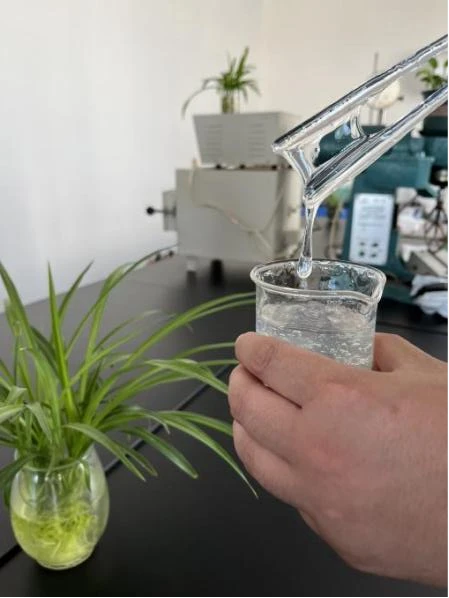
How to Make HPMC Gel A Step-by-Step Guide Hydroxypropyl methylcellulose (HPMC) is a versatile polyme -
 nbr_rubber_powder
Oct . 25, 2025
Hydroxypropyl Methyl Cellulose HPMC is a highly versatile cellulose ether widely used in various ind


